
Driveway Fabric: The Complete Guide to Woven Geotextile for Driveways
Why woven geotextile is the correct driveway fabric, how to choose a grade, calculate coverage, and install it correctly
Every gravel driveway, stone driveway, or paved driveway benefits from a driveway fabric installed between the subgrade soil and the aggregate base. Without it, aggregate gradually migrates downward into the soft subgrade, creating ruts, soft spots, and expensive failures. A woven geotextile fabric stops that migration, extends the life of your driveway, and can reduce the amount of base material you need by up to 30%.
Why Driveways Need Fabric Underneath
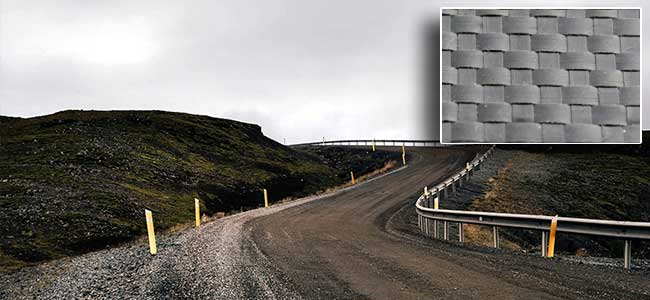
Subgrade soil — even compacted soil — is soft relative to the loads placed on a driveway. When heavy vehicles drive over an aggregate base that sits directly on subgrade, the aggregate particles are repeatedly pushed downward into the soil. This process, called aggregate migration or subgrade pumping, causes:
- Progressive sinking and rutting of the driveway surface
- Loss of base depth and structural capacity
- Soft spots and uneven settling
- Early failure requiring costly rebuilding
A woven geotextile driveway fabric acts as a permanent separation layer. It holds the aggregate in place, maintains consistent base depth, and allows water to pass through to the subgrade without allowing soil particles to migrate upward into the aggregate base.
A properly installed woven stabilization fabric can reduce required base rock depth by up to 30% and improves long-term base performance by 50–70% compared to an unprotected installation — fewer truckloads of aggregate, faster installation, and lower overall cost.
Woven Geotextile Is the Correct Choice — Not Landscape Fabric
Many homeowners search for driveway cloth or landscape fabric for driveways and end up with standard weed barrier. Here is why that is a mistake:
| Property | Woven Geotextile | Standard Landscape Fabric |
|---|---|---|
| Tensile strength | 200–1,980+ lbs/ft | 20–50 lbs/ft (estimated) |
| Load distribution | Yes — engineered for it | No — not rated for vehicle loads |
| Long-term durability | 20+ years when covered | Degrades under load in 3–7 years |
| Water flow-through | High (60–85+ GPM/ft²) | Variable, often clogs over time |
| ASTM tested | Yes (D4595, D4491) | Generally not |
For driveway underlayment, geotextile fabric for driveway applications, or any application where vehicles or equipment will be present, you need a woven geotextile stabilization fabric. Landscape fabric is acceptable only for decorative garden beds with foot traffic at most.
Grade Comparison: Which Driveway Fabric Is Right for You?
Standard Grade — Woven Polypropylene
Best for: Typical residential driveways, pathways, gravel roads
- 200 lb grab tensile strength
- Roll size: 15' × 360'
- Separates subgrade from aggregate base
- Pavement can be laid directly on top
- Reduces base aggregate needed by ~30%
Intermediate Grade E — Woven Monofilament
Best for: Driveways where drainage is critical, hardscapes over wet subgrade
- 350 lb grab tensile strength
- 60 GPM/ft² flow rate — highest of the intermediate grades
- Roll size: 12.5' × 300'
- Monofilament weave allows maximum water passage to subgrade
Heavy Duty Grade C — Woven Geotextile
Best for: Commercial driveways, high-traffic applications, road paving
- 840 lbs/ft at 2% strain / 1,980 lbs/ft at 5% strain
- 85 GPM/ft² flow rate
- Roll size: 15' × 300'
- ASTM D4595 & D4491 tested
How to Calculate Driveway Fabric Coverage
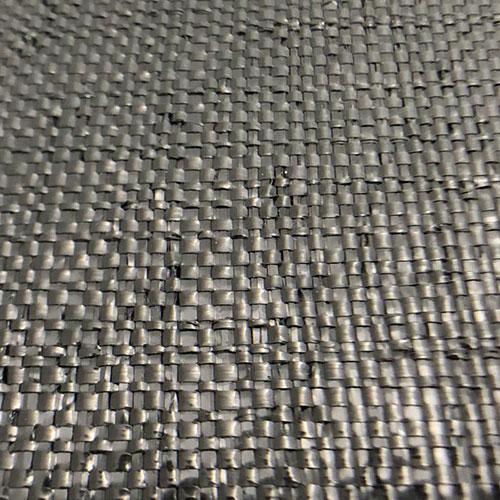
Follow these steps to calculate how much geotextile fabric for your driveway you need:
- Measure the length of your driveway in feet
- Measure the width in feet
- Add overlap allowance: Add 18–24 inches per seam (where roll widths meet, depending on subgrade strength) plus 6–12 inches on each edge that will be buried or pinned
- Select your roll: The 15' wide roll covers most driveways up to 13' wide in a single pass with overlap on the edges. For wider driveways, you'll need a second pass with an 18–24" seam overlap
- Add 10% waste factor for cutting and fitting around curves or obstacles
Example: A 12' wide × 150' long driveway — the 15' × 360' Standard Grade roll covers this in a single pass with 1.5' of edge overlap on each side, and you'll have over 200 feet of roll remaining. That remainder can cover a second run, a parking area, or be saved for future repairs.
Step-by-Step Driveway Fabric Installation
- Grade the subgrade. Excavate to the required depth and establish the correct crown (slight center peak or side-to-side slope) for drainage. Remove all roots, large rocks, and debris that could puncture the fabric.
- Compact the subgrade. Use a plate compactor or roller to firm up the native soil. Soft spots should be filled and compacted before fabric placement.
- Roll out the driveway fabric. Begin at one end and unroll across the prepared subgrade. Keep the fabric taut and flat — wrinkles create weak points.
- Overlap seams 18–24 inches depending on the strength of the subgrade. Where two rolls meet side by side, secure the overlap with fabric staples, staggering them at approximately 1 staple per 5 feet.
- Pin the edges. Use fabric staples along all edges and at any seam to keep the fabric from shifting during aggregate placement.
- Place aggregate base immediately. Do not leave fabric exposed to UV for more than a few days. Place at least 4 inches of base material onto the fabric — a rubber-tired vehicle can drive directly on the fabric while carefully dumping gravel, avoiding turns or stops and driving at a speed of less than 8 mph.
- Compact and grade aggregate. Apply the aggregate in lifts and compact each lift before adding the next. Finish with final grading to your desired cross-section.
Product Recommendations by Driveway Type
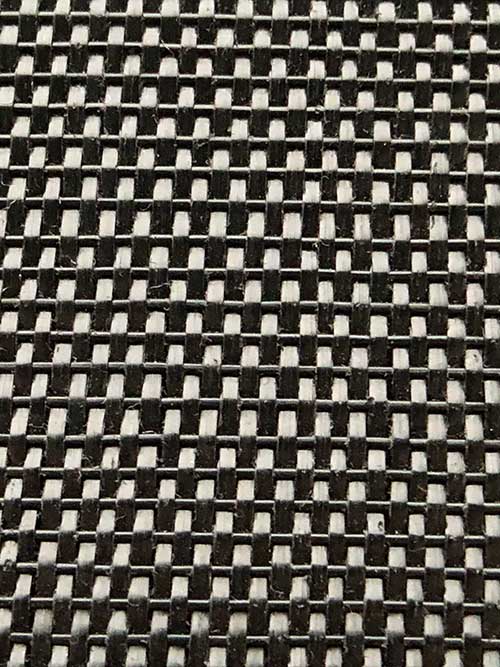
- Residential gravel driveway: Standard Grade — Standard Grade 15' × 360'
- Paved residential driveway: Standard Grade (pavement can be laid directly on top)
- Driveway with wet or soft subgrade: Intermediate Grade E for maximum drainage through the fabric
- Commercial driveway or parking area: Heavy Duty Grade C — Heavy Duty Grade C 15' × 300'
- Pathways and gravel walkways: Standard Grade is more than sufficient
All products ship free. Browse our full woven stabilization fabric collection or use the geotextile fabric selector tool to get a personalized recommendation.
Frequently Asked Questions About Driveway Fabric
What type of fabric should I use under a driveway?
Use a woven geotextile fabric, not standard landscape fabric or weed barrier. Woven geotextile is engineered for structural separation, high tensile strength, and long-term performance under vehicle loads. Standard landscape fabric lacks the tensile strength required for driveway applications and will degrade under repeated compaction.
Why does a driveway need fabric underneath?
Without a separation layer, the aggregate base (gravel or crushed stone) gradually migrates downward into the soft subgrade soil, causing ruts, potholes, and premature failure. Woven geotextile driveway fabric keeps the aggregate in place, maintains structural integrity, and can reduce the amount of base material needed by up to 30%.
What is the difference between Standard Grade and Heavy Duty driveway fabric?
Standard Grade woven geotextile (200 lb grab tensile) handles typical residential driveways and pathways. Heavy Duty Grade C (840 lbs/ft at 2% strain; 1,980 lbs/ft at 5% strain) is engineered for high-traffic commercial driveways, parking lots, and paved road construction where extreme loads demand maximum reinforcement.
How much driveway fabric do I need?
Measure the length and width of your driveway. Add 18–24 inches per seam for overlaps (depending on subgrade strength) and an extra 6–12 inches on each edge. For example, a 12-foot-wide by 200-foot-long driveway requires approximately one 15-foot-wide roll cut to 200 feet, with overlap accounted for by the extra roll width. Always order 10% additional material for waste and overlaps.
Can I lay pavement directly on top of driveway geotextile fabric?
Yes. Our Standard Grade woven geotextile is designed to support direct paving applications. The fabric acts as a separation layer between the subgrade and aggregate base, and pavement can be applied on top of the aggregate as normal. This approach reduces base aggregate requirements by approximately 30%.
How do I install driveway fabric?
Grade and compact the subgrade, removing debris. Roll the fabric across the prepared surface with an 18–24 inch overlap at all seams, depending on subgrade strength. Secure with fabric staples at approximately 1 per 5 feet along overlaps and edges. Then spread your aggregate base layer on top immediately. Avoid exposing the fabric to UV for extended periods before covering.
Ready to stabilize your driveway the right way?
Shop Woven Stabilization Fabrics — Free Shipping on All OrdersSee also: Woven Stabilization Fabrics Collection • Fabric Selector Tool • Pro Fabric Blog


