
How to Install Geotextile Fabric Under a Driveway: Step-by-Step Guide
From subgrade prep to final gravel surface — technique that separates a lasting driveway from one that fails in 3 years
Choosing the right geotextile fabric for your driveway is only half the job. The other half is installation. Fabric placed incorrectly — with insufficient seam overlap, on ungraded subgrade, or with too little aggregate cover — can fail just as badly as no fabric at all. This guide walks through the complete installation process for a gravel driveway.
Why Installation Technique Matters
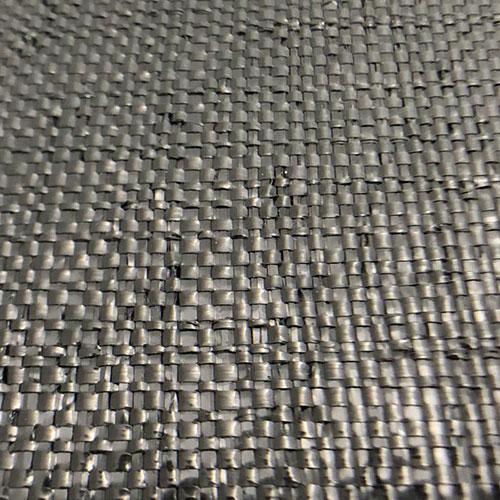
The geotextile works by maintaining a clean separation between the aggregate base and the subgrade soil. If seams are too close together, aggregate can push through the gap. If the subgrade is poorly graded, water ponds under the fabric and accelerates subgrade softening. If aggregate cover is too thin, wheel loads concentrate directly on the fabric rather than distributing through the aggregate layer.
Each installation step has a specific purpose. Skipping or abbreviating any of them compromises the system.
Tools and Materials
- Woven geotextile fabric (Standard Grade for residential, Intermediate or Heavy Duty for commercial/farm)
- Landscape staples — 6-inch or 8-inch, 11-gauge wire, minimum 50 per 100 sq ft
- Measuring tape and marking paint or stakes
- Excavator or skid steer (for large projects) or shovels and wheel barrow (small)
- Plate compactor or hand tamper
- Crushed stone or road base aggregate
- Utility knife or scissors for fabric trimming
Step-by-Step Installation
1Mark the Layout and Excavate
Mark the driveway footprint including any edge zones where fabric will need to extend. Excavate to 8–12 inches below the intended finish grade. The excavation depth needs to accommodate:
- The aggregate base (minimum 6 inches, 8–12 inches on soft subgrade)
- The fabric itself (negligible thickness but plan for it)
- Optional: wearing course or surface gravel on top of base
Excavate slightly deeper along the edges to allow the fabric to wrap up the side banks.
2Prepare the Subgrade
The subgrade is the native soil surface that the fabric will rest on. Preparation matters:
- Remove any organic material (sod, roots, debris) that could decompose and create voids
- Grade the subgrade to slope away from structures, typically 2% (about 1/4 inch per foot) minimum
- Compact the subgrade if possible — a plate compactor pass makes a significant difference on soft clay
- If the subgrade is very soft (your foot sinks in), consider adding a layer of geotextile-specific applications or consulting a contractor
3Unroll and Position the Fabric
Unroll the fabric across the prepared subgrade. Key positioning rules:
- Unroll perpendicular to the driveway length (across the width), not lengthwise down the driveway
- Leave 6–12 inches of extra fabric at each edge to fold up the side banks
- Keep the fabric taut — wrinkles create weak points — but do not stretch it tight
- Work from one end to the other, keeping the fabric smooth as you go
4Overlap Seams Correctly
Where two fabric pieces meet, the overlap matters greatly. This is the most common point of failure in DIY driveway fabric installations:
- Overlap 18–24 inches, depending on subgrade strength. Softer subgrade calls for the wider end of that range — less overlap allows aggregate to eventually push through the joint.
- Seams should run perpendicular to the direction of travel, so vehicle tires cross over them rather than running along them
- The uphill or upstream sheet should overlap on top of the downhill/downstream sheet
Critical: Not overlapping the seams enough is the number one cause of early fabric failure in driveways. A 6-inch overlap might look fine on day one, but aggregate will punch through it within a season or two. Stick to 18–24 inches, using the wider end of that range on softer subgrade.
5Secure with Landscape Staples
Staple the fabric before placing aggregate. Once you start dumping stone, the fabric will move if not secured:
- Staple at approximately 1 per 5 feet across the field area
- At seams and edges: staple every 12–18 inches
- Drive staples through both layers of fabric at seams
- Fold edges up the bank and staple into the bank face
6Place the Aggregate Base
Aggregate depth is critical for load distribution:
- Minimum 6 inches of well-graded crushed stone or road base aggregate
- 8–12 inches for soft subgrade (CBR below 3) or heavy truck traffic
- Dump aggregate at the center of the driveway and spread outward — do not dump along the edges where it may shift the fabric
- Work in 4-inch lifts for large aggregate depths
7Compact and Grade the Final Surface
Compact the aggregate in lifts using a plate compactor. After final compaction, grade to the desired cross-slope for drainage. Allow time for initial settling before heavy use.
Common Installation Mistakes
| Mistake | Why It Fails | Correct Approach |
|---|---|---|
| Seam overlap under 18 inches | Aggregate pushes through joint under vehicle loads | 18–24 inches, depending on subgrade strength |
| Placing fabric on organic topsoil | Organics decompose, creating voids; subgrade settlement | Remove all organic material before placing fabric |
| No stapling before aggregate | Fabric shifts and bunches under dumping load | Staple at approximately 1 per 5 feet before any stone is placed |
| Too little aggregate depth | Wheel loads concentrate on fabric, not distributed | 6-inch minimum, 8–12 inches on soft ground |
| Fabric running lengthwise | Seams run parallel to tire path; tires track along seam | Run fabric across width, seams perpendicular to travel |
| Flat subgrade (no crown or slope) | Water ponds under fabric, softening subgrade over time | Grade subgrade minimum 2% slope for drainage |
Tips for Different Subgrade Conditions
Clay subgrade
Clay is the most challenging condition. Compact the clay before fabric placement. Use Intermediate Grade fabric (not Standard) if the CBR is below 3. Increase aggregate depth to 10–12 inches. Ensure drainage at the driveway edges so water cannot pond alongside and re-saturate the subgrade.
Sandy subgrade
Sand is generally easier to work with. Standard Grade fabric is usually adequate. Ensure the sand surface is graded and compacted before fabric placement. Sandy subgrade drains well, so aggregate depth of 6 inches is often sufficient for residential driveways.
Very soft or saturated subgrade
When your boot sinks several inches on the subgrade, a standard fabric installation alone may not be enough. Consider: allowing the subgrade to dry before construction, placing a temporary surcharge to accelerate consolidation, or consulting a geotechnical contractor for a designed solution.
Shop Woven Geotextile for Driveways at Pro Fabric Supply
Standard, Intermediate, and Heavy Duty woven geotextile — the right fabric for the right driveway application.
Shop Now ›Frequently Asked Questions
How do you install geotextile fabric under a gravel driveway?
Excavate 8–12 inches below finish grade, grade the subgrade for drainage, unroll the geotextile perpendicular to the driveway, overlap seams by 18–24 inches depending on subgrade strength, secure with landscape staples at approximately 1 per 5 feet, then place a minimum of 6 inches of clean crushed aggregate and compact.
How much overlap is needed for driveway geotextile fabric?
An overlap of 18–24 inches is required, depending on the strength of the subgrade — softer subgrade calls for the wider end of that range. Seams should run perpendicular to the direction of travel, not parallel.
Can I install driveway fabric by myself?
Yes, geotextile fabric installation under a residential driveway is DIY-friendly. The most common mistakes are insufficient seam overlap and too little aggregate cover. Follow the seam overlap (18–24 inches) and aggregate depth (6-inch minimum) requirements and the installation is straightforward.
How deep should I put fabric under a driveway?
The fabric goes at the bottom of the excavation, directly on the prepared subgrade. Excavation depth should be 8–12 inches below finish grade to allow for at least 6 inches of aggregate base (8–12 inches on soft subgrade).
What happens if I skip the geotextile fabric under my gravel driveway?
Without fabric, aggregate gradually punches into soft subgrade under vehicle loads. The aggregate and subgrade mix together, losing load-distributing capacity, and the driveway develops ruts and soft spots. This is faster on clay or wet subgrades. Adding more gravel only temporarily masks the problem.


