
Frost Blanket for Plants: The Complete Protection Guide
A frost blanket for plants is one of the simplest and most reliable ways to protect your garden from damaging cold. Whether you're covering a vegetable bed, wrapping a tender shrub, or protecting outdoor plants during an unexpected freeze, the right frost blanket makes all the difference. This guide covers everything: weight classes, how to use them, material comparisons, and how to get the most out of your blanket season after season.
What Is a Frost Blanket?
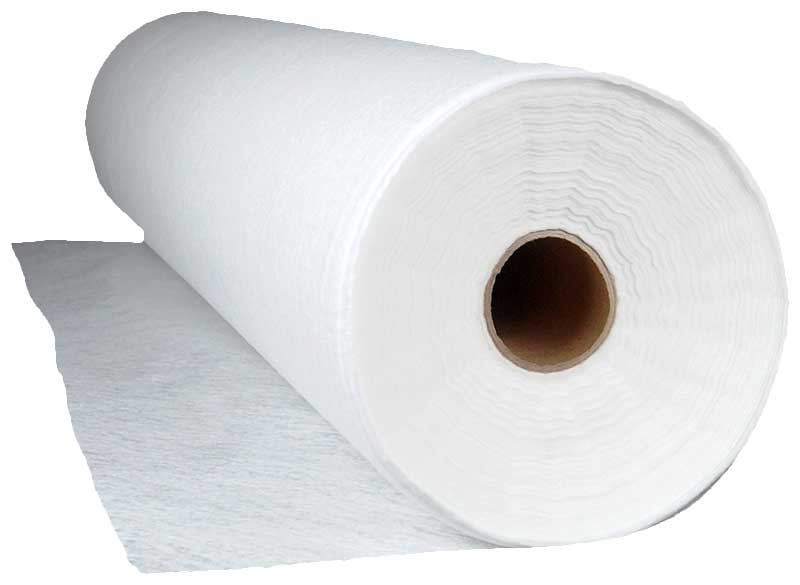
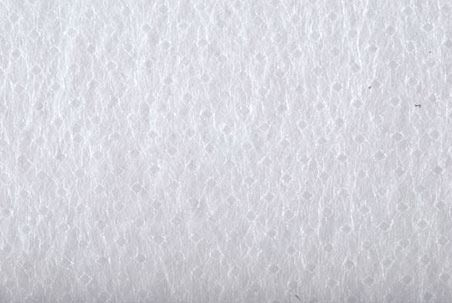
A frost blanket is a non-woven, spunbonded polypropylene fabric engineered specifically for plant protection. Unlike bed sheets or plastic sheeting, it's designed to allow light, air, and a degree of moisture to pass through while trapping radiant heat from the soil beneath it.
The mechanism is simple: soil absorbs solar heat throughout the day. At night, as ambient temperatures drop, that heat radiates upward. A frost blanket acts as an insulating layer that captures this warmth, raising under-fabric temperatures by 2–10°F depending on the weight of the material.
The term "frost blanket" is sometimes associated with heavier-weight materials (1.5 oz and 2.5 oz) that provide more substantial freeze protection, while "frost cloth" tends to describe lighter options (0.5 oz and 1 oz). In practice, both names refer to the same type of material — the oz rating is what matters.
Weight Classes & Protection Levels
0.5 oz — Ultra-Light
Provides 2–4°F of protection. Best used for seed germination, extending the growing season in mild climates, and insect exclusion. Transmits about 90% of available light, so plants can stay covered for extended periods without light deprivation.
1 oz — Standard Weight
The most popular choice for home vegetable gardens. Provides 4–6°F of protection and handles frosts down to approximately 28°F. Transmits about 75% of light. Available in many widths: 6', 7', 10', 12', 14', 20', 24', 30', 36', 39', 40', and 50', with roll lengths up to 2,000'. Seams are sewn, not glued, for superior durability.
1.5 oz — Heavy Protection
Provides 6–8°F of protection. Ideal for tender tropicals (hibiscus, impatiens, crotons), hard freezes, and areas with sustained overnight cold. Reduces light transmission to about 50%, so removal during daylight hours is recommended for extended use.
2.5 oz — Maximum Protection
Provides 8–10°F of protection. Best for established citrus trees, hard freeze events, and professional crop protection. Limits light transmission significantly (~30%), making daytime removal important for prolonged use.
Frost Blanket vs. Plastic vs. Burlap
Non-woven frost blanket
Breathable: Yes | Light permeable: Yes (varies by weight) | Moisture permeable: Partially | Best use: All-around plant frost protection
Plastic sheeting
Breathable: No | Light permeable: Clear only | Moisture permeable: No | Best use: Short-term use only; must be kept off foliage
Burlap
Breathable: Yes | Light permeable: Minimal | Moisture permeable: Yes | Best use: Windbreak, trunk wrap; limited overhead coverage
Old bed sheets
Breathable: Partially | Light permeable: Very limited | Moisture permeable: Partially | Best use: Emergency use only; not durable or consistently effective
Non-woven frost blankets outperform alternatives for plant protection because they're purpose-built. They won't conduct cold directly to foliage like plastic, won't block light entirely like burlap, and won't deteriorate after a season or two like repurposed household textiles.
Outdoor vs. Potted Plant Considerations
In-Ground Outdoor Plants
In-ground plants benefit most from frost blankets because the soil below them acts as a heat reservoir. Drape the blanket over the plant and anchor the edges to the ground so the warm air created at soil level is trapped underneath.
Potted & Container Plants
Container plants present a unique challenge: cold air can penetrate through the pot walls as well as from above. If moving them indoors is not an option:
- Drape the frost blanket over the plant and down around the pot to the ground
- Wrap the pot itself in additional insulating material (burlap, bubble wrap, or extra frost cloth)
- Cluster pots together — grouped plants lose heat more slowly than isolated ones
- Place pots on wood or another insulating surface rather than directly on cold concrete
Important: The smaller the pot, the more vulnerable the root zone is to freezing. Small pots in hard freeze conditions may need to be brought indoors even if the plant itself would otherwise survive. Roots are often more cold-sensitive than foliage.
How to Secure a Frost Blanket Without Damaging Plants
Proper anchoring keeps cold air from sneaking under the edges while protecting plant stems and foliage from abrasion:
- Ground staples / landscape pins — the best option; pin edges directly to soil around the perimeter
- Rocks or bricks — lay along edges; effective and easy
- Sandbags — useful for larger areas and windy conditions
- Hoop supports — insert wire or PVC hoops over the bed first, then lay the blanket over the hoops to keep fabric elevated above plants
- Stakes — for individual plants, push short stakes around the perimeter and drape the blanket over them as a tent
The goal is always a snug perimeter seal with the fabric elevated slightly above plant foliage. Air space between fabric and leaves provides better insulation than fabric resting directly on leaves.
Storing & Reusing Frost Blankets
A frost blanket is an investment you want to get multiple seasons from. Proper storage matters:
- Shake off debris after each use — soil, leaves, and twigs can break down fibers over time
- Air dry completely before folding — mold and mildew can degrade the fabric if stored damp
- Fold loosely — tight rolling or cramming into bags stresses the fibers
- Store away from UV — prolonged sunlight exposure degrades polypropylene; a shed, garage, or closet works well
- Inspect before next season — check for tears or fraying seams; patch small holes with landscape fabric tape
With proper care, a quality sewn-seam frost blanket like the ones we carry should last 3–5 or more seasons depending on usage frequency and conditions.
Browse our full selection of frost blankets — from 0.5 oz to 2.5 oz, in widths up to 50' and rolls up to 2,000'. Free shipping on all orders.
Frequently Asked Questions
What is a frost blanket for plants?
A frost blanket is a non-woven spunbonded polypropylene fabric used to protect plants from frost and freeze damage. It traps radiant heat from the soil, raising temperatures under the blanket by 2 to 10 degrees Fahrenheit while allowing light, air, and moisture through.
How heavy should a frost blanket be?
For most outdoor plants, a 1 oz frost blanket handles frosts down to about 28°F. For harder freezes or tender tropicals, use 1.5 oz. For severe cold and sustained freezes, use 2.5 oz. For seed germination and very light frosts, 0.5 oz is sufficient.
Can I use a frost blanket on outdoor potted plants?
Yes. Drape the frost blanket over the plant and down around the pot, securing the edges. For extra protection, insulate the pot itself since container plants lose heat through the pot walls as well as the top.
How do I secure a frost blanket without damaging my plants?
Use ground staples, landscape pins, rocks, or bricks to hold the edges down. For tall or bushy plants, use hoop supports or stakes to keep the blanket elevated above the foliage, creating an air space between fabric and leaves.
Is a frost blanket better than plastic sheeting?
Yes for most situations. Non-woven frost blankets breathe, allowing light and air through. Plastic sheeting doesn't breathe and can overheat plants during the day or conduct cold directly to leaves it touches. Frost blankets are safer and more consistent.
How many seasons will a frost blanket last?
A quality non-woven polypropylene frost blanket can last multiple seasons with proper care. Shake off debris after use, dry completely before storing, and keep away from prolonged UV exposure. Well-maintained blankets typically last 3–5 or more seasons.


