
Frost Blanket for Plants: Buyer's Guide and Protection Guide
How many degrees each weight protects, coverage sizing, roll sizes, and when to use vs when to bring plants inside
A frost blanket is one of the most useful tools in any gardener's arsenal. A single layer of the right fabric can protect vegetables, flowers, and tender perennials through frost events that would otherwise cause serious damage. This guide helps you choose the right weight, size your coverage correctly, and know when fabric protection is enough — and when it isn't.
What Is a Frost Blanket?
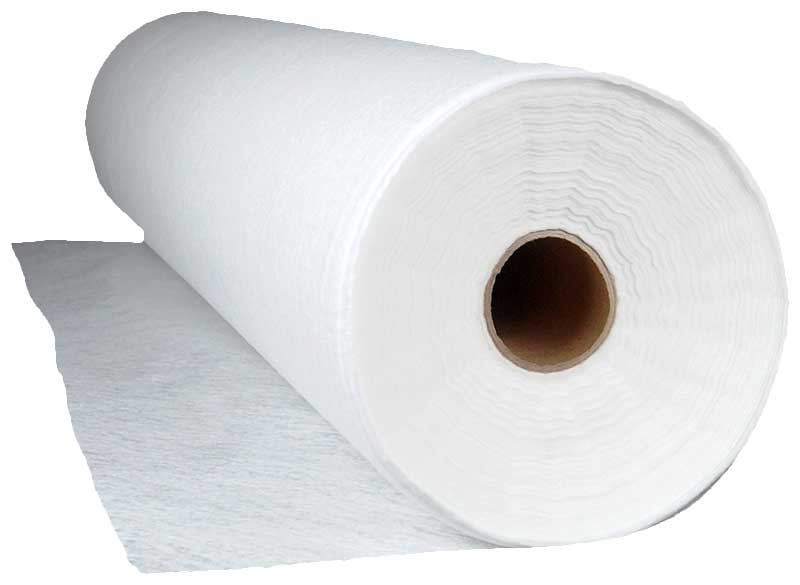
A frost blanket is a lightweight non-woven polypropylene fabric designed to trap warm air close to plant foliage during cold nights. The fabric works by slowing the rate of heat loss from the soil and plant surfaces, creating a microclimate several degrees warmer than the ambient air temperature.
Unlike plastic covers, frost blankets are permeable — they allow light, air, and water to pass through. This means you can leave them on plants for days or weeks without damage, and plants receive adequate conditions for growth even while covered.
Frost blankets are the same product sold as "floating row cover," "frost cloth," and "season extender." The different names reflect different use contexts; the product is identical.
Temperature Protection by Weight
0.5 oz — Lightest
Frost protection: 2–4°F | Light transmission: ~90%
Best use: Seed germination, seedling establishment, extended season — spring/fall, left on continuously
1 oz — Popular
Frost protection: 4–6°F | Light transmission: ~75%
Best use: Vegetables, row crops, flowering annuals, bedding plants — spring/fall extended use
1.5 oz — Heavy
Frost protection: 6–8°F | Light transmission: ~50%
Best use: Hard freezes, established shrubs, perennials, ornamentals — fall/early winter
2.5 oz — Maximum
Frost protection: 8–10°F | Light transmission: ~30%
Best use: Full winter overwintering, trees, dormant perennials, extreme cold — left in place all winter
These are approximate values assuming the fabric is laid directly over or around the plant with edges secured to trap ground heat. Wind and elevating the fabric on hoops can reduce effective protection. Securely anchoring all fabric edges significantly improves performance.
Which Weight Should You Choose?
0.5oz — Season Extender
Use 0.5oz when your primary goal is season extension rather than hard frost protection. It transmits the most light of the four weights and can stay on crops all day. Best for: spring seeding protection from light late frosts (down to roughly 28–30°F), fall crops staying productive through light frosts, and summer pest exclusion. Also used as an insect barrier for crops like brassicas and carrots.
1oz — Standard Home Garden Choice
The most popular weight for home vegetable gardens. Provides adequate protection for most frost events in USDA zones 5–9. Light enough to leave on growing crops for days at a time. Use 1oz when nighttime lows will drop to roughly 26–28°F.
1.5oz — Moderate Hard Frost
Step up to 1.5oz when lows will reach roughly 24–26°F, or when protecting tender plants like basil transplants, pepper seedlings, or frost-sensitive perennials. Also a good choice for fall protection in colder climates where 1oz may not provide enough margin.
2.5oz — Maximum Fabric Protection
The heaviest weight Pro Fabric Supply carries. Use 2.5oz for the coldest events you'll protect with fabric (lows to roughly 22–24°F). Should be removed during the day if possible, as lower light transmission can stress plants under extended cover. Ideal for: protecting tender perennials through a brief severe cold snap, covering citrus trees overnight, or providing maximum protection for a crop you cannot afford to lose.
Pro tip: Layering two blankets roughly adds their protection together. Two layers of 1oz fabric (each providing 4–6°F) can get you protection in the same ballpark as a single 2.5oz blanket, while keeping somewhat better light transmission at each individual layer.
Coverage Calculator
For raised beds and garden rows
The blanket should extend 6–12 inches beyond each side of the bed to anchor it securely. More extension = better edge seal = better protection.
- 30-inch wide bed: use fabric 54–66 inches (4.5–5.5 ft) wide minimum
- 48-inch wide bed: use fabric 72–84 inches (6–7 ft) wide
- Row crop (single row): use fabric at least 24 inches wide for low crops, 36–48 inches for staked plants on hoops
For length: add 3–4 feet to the bed length to allow for anchoring at both ends.
For individual container plants
Measure the widest point of the pot plus the height of the plant foliage. Add 12 inches for tucking under the base of the container. A 5-gallon container with 2-foot tall plants needs approximately 4–5 feet of fabric in each direction.
For shrubs and garden beds
For irregularly shaped planting areas, measure length × width and add 20% for tucking and overlap. Two people can install most blankets more efficiently — one holds the fabric taut while the other anchors the edges.
Roll Sizes Available
Pro Fabric Supply frost blankets are available in widths from 3 ft to 50 ft and lengths from 100 ft up to 2,000 ft, depending on weight:
| Width Range | Best For |
|---|---|
| 6–7 ft | Single raised beds, small row crops, home gardens |
| 10–14 ft | Multiple rows, wider beds, small market gardens |
| 20–30 ft | Large garden beds, low tunnels, small commercial operations |
| 36–50 ft | Full commercial field-scale coverage |
Roll lengths run from 100 feet for home garden use up to 2,000 feet for commercial rolls — for example, 36' × 1,000' or 50' × 1,000' for field-scale applications. Call Pro Fabric Supply if you need a specific length not listed on the product page.
When to Bring Plants Inside Instead
Even the best frost blanket has limits. Bring container plants inside when:
- Forecast lows below roughly 22°F — below the reliable protection range even of 2.5oz fabric
- Extended cold: more than 48 hours below freezing without warming above freezing in between (soil under fabric eventually equilibrates to ambient temperature)
- Tropical plants sensitive to chilling injury (not just frost) — many tropicals are damaged below 50°F even without frost
- Container plants: pots freeze faster than in-ground soil; the container provides no soil heat buffer
For in-ground plants, frost blankets are more effective because they benefit from the ground's thermal mass staying above freezing for much longer than ambient air.
Shop Frost Blankets at Pro Fabric Supply
Non-woven polypropylene frost blankets in 0.5oz, 1oz, 1.5oz, and 2.5oz. Multiple widths, buy by the foot or roll.
Shop Now ›Frequently Asked Questions
What is a frost blanket for plants?
A frost blanket is lightweight non-woven polypropylene fabric that traps warm air around plant foliage to prevent frost damage. It allows light, air, and water through so plants can stay covered for extended periods. Available in 0.5oz to 2.5oz weights.
How many degrees does a frost blanket protect?
Approximately: 0.5oz = 2–4°F; 1oz = 4–6°F; 1.5oz = 6–8°F; 2.5oz = 8–10°F. These figures assume the fabric is laid directly over or around the plant with edges secured to trap ground heat. Values vary with wind conditions and how well edges are anchored.
How wide a frost blanket do I need?
The blanket should extend 6–12 inches beyond each side of the bed. A 30-inch wide raised bed needs fabric 54–66 inches wide. A 48-inch bed needs 72–84 inches. Add 3–4 feet to the bed length for anchoring at each end.
When should I bring plants inside instead of using a frost blanket?
Bring container plants inside when lows will drop below roughly 22°F, when cold will last more than 48 hours continuously, when plants are tropical and sensitive to chilling injury above freezing, or when they are in containers (which freeze faster than in-ground soil).


